Shravana Shukravaar Mahalakshmi Puja: Invoke Devi Mahalakshmi's Blessings on the Holiest Fridays of Shravana Maasa
 Friday 11 September, 2026
Puja will be held at Shri Mahalakshmi Temple, Bangalore, and you can experience from your home!
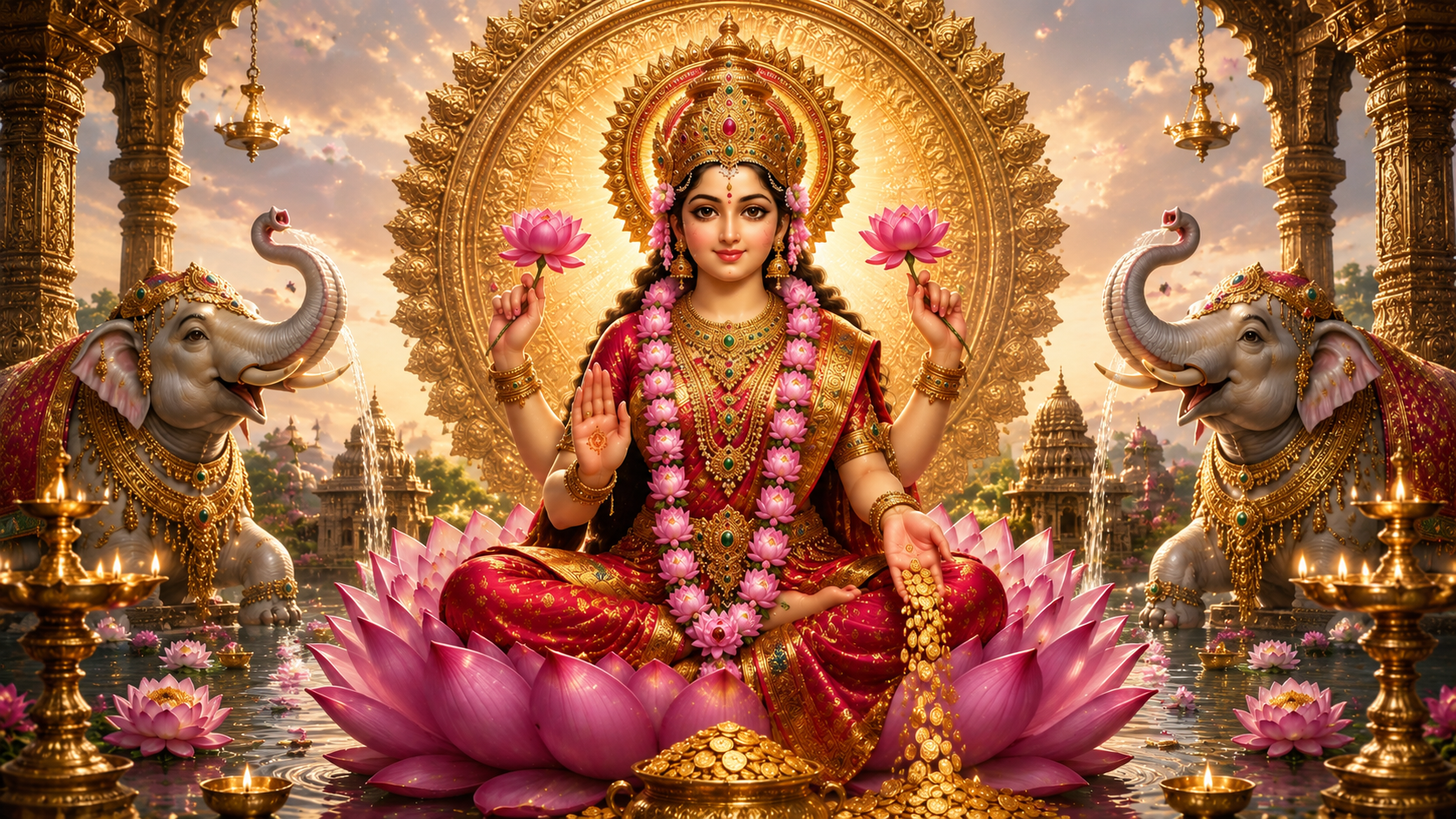
Shravana Maasa is regarded as one of the most spiritually alive months in the Vedic calendar, and when its Fridays arrive, the sanctity of the month meets the special blessings of Devi Mahalakshmi. Shravana Nakshatra, after which the month is named, belongs to Bhagwan Vishnu, and Devi Mahalakshmi is ever present beside Him. Since Shukravara is traditionally Her day of worship, a Shravan Shukravaar becomes a rare meeting point of sacred time and sacred devotion. Devotees performing seva on this day at Shri Mahalakshmi Temple, Bangalore, seek Her blessings for abundance, harmony and peace of mind, offered with heartfelt Bhakti and Shraddha.
- Panchamrut and Dhravya Abhisheka: a sacred bathing ritual for Devi Mahalakshmi that is believed to cleanse past karmas and invite purity and divine blessings into one's life
- Kumkum Shatanamavali Archana: chanting of Devi's hundred sacred names with kumkum offering, believed to remove financial obstacles and attract steady abundance
- Alankara Seva: beautiful adornment of Devi Mahalakshmi, believed to bring elegance, dignity and prosperity into the devotee's home
- Akhanda Deepa Seva: an unbroken lamp offering symbolising the continuous light of prosperity and the removal of darkness and struggle from one's path
- Lotus Flower and Lotus Flower Haar Samarpan: offering of lotus flowers, dear to Devi Mahalakshmi, believed to invoke purity of heart and spiritual growth
- Coconut and Phal Naivedya: offering of coconut and fruits, believed to bring contentment, good health and family wellbeing
- Mangalaarti with Vedic Hymns: the concluding aarti performed with sacred chants, believed to fill the home with auspicious vibrations and lasting divine blessings

Vedic Significance

Shravana Nakshatra Bond
Shravana Nakshatra is presided over by Bhagwan Vishnu, and since Devi Mahalakshmi is inseparable from Him, this month carries Her special presence and blessings.

Friday for Devi Lakshmi
Shukravara has long been dedicated to Devi Mahalakshmi in Puranic and Agamic tradition, making every Friday within Shravana Maasa doubly auspicious for Her worship.

Skanda Purana Sanctity
The Skanda Purana states that even simple acts of devotion done in Shravana Maasa bring extraordinary punya due to the heightened sanctity of this sacred month.

Ashta Lakshmi Blessings
Worship on Shravan Shukravaar is believed to invite the blessings of Ashta Lakshmi, the eight forms of prosperity, covering wealth, courage, knowledge and wellbeing.
Sevas we offer for Shravana Shukravaar Mahalakshmi Puja
Divine Story, Benefits, and Sacred Sevas of this Auspicious Puja
The Divine Story: Why Shravana and Devi Mahalakshmi are Bound Together
Shravana Maasa carries a theological significance that few other months hold, and it flows directly from the nakshatra after which the month is named. According to the Skanda Purana, Bhagwan Shiva Himself extols the greatness of this month, describing it as one where spiritual practices bring extraordinary punya. The month is named after Shravana Nakshatra, which is presided over by Bhagwan Vishnu, and this alone makes the month sacred to both Shiva and Vishnu.
Devi Mahalakshmi is described across Puranic tradition as eternally inseparable from Bhagwan Vishnu, seated ever beside Him as His Shakti. Wherever Vishnu is worshipped with devotion, Devi Mahalakshmi's blessings naturally follows. This is why Shravana Maasa, sanctified through its connection to Vishnu, becomes an equally powerful time to invoke Devi Mahalakshmi.
The second thread of this story comes from the weekday itself. Shukravara has, across Puranic and Agamic tradition, been dedicated to Devi Mahalakshmi's worship, much as Somvara belongs to Bhagwan Shiva. When a Friday falls within Shravana Maasa, two independently sacred forces meet at the same point in time, the sanctity of the month and the sanctity of the day. Devotees have long regarded this convergence as one of the most favourable windows in the year to seek Devi Mahalakshmi's blessings for prosperity, harmony and blessings.
Blessings of Worshipping Devi Mahalakshmi on Shravan Shukravaar
- Ashta Lakshmi blessings: invites the blessings of Ashta Lakshmi, Her eight forms representing wealth, courage, grain, knowledge, progeny, valour, victory and patience
- Financial ease: helps remove obstacles that block income and wealth, opening the path to steady abundance
- Family harmony: brings peace, warmth and togetherness within the household
- Career and business growth: supports success in righteous professional and business pursuits
- Better health and energy: promotes physical wellbeing and a steady flow of positive energy
- Karma purification: sincere devotion is believed to soften the effects of past karmas
- Inner peace: nurtures gratitude, contentment and steady spiritual growth
- Auspicious home environment: fills the household with positive vibrations and Devi's continued blessings
Detailed Seva Descriptions
- Panchamrut and Dhravya Abhisheka: Devi Mahalakshmi is bathed with panchamrut, a sacred combination of milk, curd, honey, ghee and sugar, followed by other dhravya offerings. This abhisheka is considered one of the most purifying rituals in Vedic worship, believed to wash away obstacles and invite Her blessings directly into the devotee's life.
- Kumkum Shatanamavali Archana: A hundred sacred names of Devi Mahalakshmi are chanted while kumkum is offered at Her feet, one name at a time. This archana is a deeply devotional practice believed to draw Her attention to the specific concerns and prayers of the devotee performing the seva.
- Alankara Seva: Devi Mahalakshmi is adorned with silk vastra, ornaments and flowers, restoring Her form to the fullness described in scripture. Alankara Seva is offered with the belief that beautifying the divine form invites beauty, dignity and prosperity into the devotee's own life.
- Akhanda Deepa Seva: An unbroken lamp is kept burning before Devi Mahalakshmi throughout the puja. Light in Vedic tradition represents knowledge and the removal of darkness, and an akhanda deepa is believed to keep away struggle and negativity from the devotee's path.
- Lotus Flower and Lotus Flower Haar Samarpan: The lotus is Devi Mahalakshmi's most beloved flower, and offering both single lotus blooms and a lotus garland is considered especially pleasing to Her. This seva is associated with purity of heart and the blossoming of spiritual growth.
- Coconut and Phal Naivedya: Coconut and seasonal fruits are offered as naivedya after the abhisheka and archana. This offering is a gesture of gratitude, believed to bring contentment, good health and wellbeing to the devotee's family.
- Mangala Aarti with Vedic Hymns: The puja concludes with Mangala Aarti accompanied by Vedic hymns dedicated to Devi Mahalakshmi. This closing ritual is believed to seal the puja's benefits, filling the temple and, by extension, the devotee's home with auspicious energy.
How This Puja is Performed
- Sankalpa: the puja begins with a sankalpa, where the devotee's name, gotra and specific prayer are formally announced before Devi Mahalakshmi
- Panchamrut and Dhravya Abhisheka: Devi Mahalakshmi is bathed with panchamrut and other sacred substances
- Alankara Seva: Devi Mahalakshmi is dressed and adorned after the abhisheka
- Kumkum Shatanamavali Archana: the hundred names of Devi are chanted with kumkum offering
- Akhanda Deepa Seva: a continuous lamp is lit and maintained through the puja
- Lotus Flower and Haar Samarpan: lotus flowers and a lotus garland are offered
- Coconut and Phal Naivedya: coconut and fruits are offered as prasad
- Mangala Aarti: the puja concludes with aarti and Vedic hymns
This entire sequence is performed by qualified priests at Shri Mahalakshmi Temple, Bangalore, following traditional Agamic and Vedic procedure.
Who Should Perform This Puja
- Devotees seeking financial stability and steady growth in income
- Married couples and families wishing to strengthen harmony at home
- Business owners and professionals seeking success in their work
- Students and job seekers wanting Devi's blessings before important milestones
- Anyone wishing to reduce the effects of accumulated karma through sincere devotion
- NRIs across the USA, UK, Canada, UAE, Australia and other countries who wish to have this puja performed on their behalf at Shri Mahalakshmi Temple, Bangalore, with the sankalpa taken in their name
Why attend puja online with us?
In the spiritual realm, physical boundaries hold no power, ensuring a connection between you and the divine.

Live Ritual Viewing
Experience the spiritual essence from the comfort of your home by tuning into live streams of the rituals performed by experienced priests.

Recorded Ceremony Video
If you miss the live event, a recorded video will be provided, allowing you to watch the sacred rituals at your convenience.

Free Prasad Delivery
Receive blessed prasad delivered directly to your home, ensuring you remain connected to the divine blessings.

Convenience
Participate in the rituals remotely without the need to visit the temple.

Spiritual Connection
Stay spiritually connected through live and recorded rituals, with blessings brought to you through prasad delivery.
How to book Shravana Shukravaar Mahalakshmi Puja puja
1
Choose your seva
Select one or more main rituals as per your spiritual need.

2
Choose offerings
Add optional offerings to deepen your spiritual experience.

3
Complete your booking
Confirm securely so all selected rituals and offerings are included.
Click Here To Book Puja
Devotees can book Shravana Shukravaar Mahalakshmi Puja online through Jyotirgamaya without needing to travel to Bangalore. Once the sankalpa details are submitted, the puja is performed by temple priests on the chosen Shravan Shukravaar, with the devotee's name and gotra included in the sankalpa. Live streaming of the puja is available so devotees can witness the rituals as they happen, and sacred prasad from the temple is packed and delivered to the devotee's address after the puja is completed.
Frequently Asked Questions
Q. What is Shravana Shukravaar Mahalakshmi Puja?
It is a puja dedicated to Devi Mahalakshmi performed on Fridays that fall within Shravana Maasa, a combination considered especially auspicious for invoking prosperity, harmony and divine blessings.
Q. Why is Shravana month significant for worshipping Devi Mahalakshmi?
Shravana Maasa is named after Shravana Nakshatra, which belongs to Bhagwan Vishnu, and Devi Mahalakshmi is described in Puranic tradition as eternally inseparable from Him, making the month naturally sacred to Her as well.
Q. Why is Friday dedicated to Devi Mahalakshmi?
Across Puranic and Agamic tradition, Shukravara has long been recognised as the weekday most closely associated with Devi Mahalakshmi's worship.
Q. What sevas are included in this puja?
The puja includes Panchamrut and Dhravya Abhisheka, Kumkum Shatanamavali Archana, Alankara Seva, Akhanda Deepa Seva, Lotus Flower and Haar Samarpan, Coconut and Phal Naivedya, and Mangala Aarti.
Q. Can NRIs book this puja online from abroad?
Yes, devotees living outside India, including those in the USA, UK, Canada, UAE and Australia, can book this puja online and have it performed on their behalf with sankalpa in their name.
Q. Will I receive prasad after the puja?
Yes, prasad from the temple is packed and delivered to the devotee's India address after the puja is completed.
Q. Is live streaming available for this puja?
Yes, devotees can watch the puja live on youtube from Shri Mahalakshmi Temple, Bangalore.
Q. How do I book Shravana Shukravaar Mahalakshmi Puja?
The puja can be booked directly through the Jyotirgamaya website by selecting the seva, entering sankalpa details, and completing the booking for the chosen Shravan Shukravaar date.
Shravan Shukravaar during Shravana Maasa brings together two of the most sacred forces in the Vedic calendar, the holiness of the month and the blessings of Devi Mahalakshmi's day. Performed with Bhakti and Shraddha, this puja is offered not only for material prosperity but for lasting peace, harmony and spiritual growth in the devotee's life.
Upcoming dates for Same Puja
23 July 2027
30 July 2027
6 August 2027
13 August 2027