Diwali Vishesh Ganesh Abhista Puja and Lakshmi Kubera Homa
 Sunday 8 November, 2026
Puja will be held at Shri Adinarayana Perumal Temple, Coimbatore, and you can experience from your home!
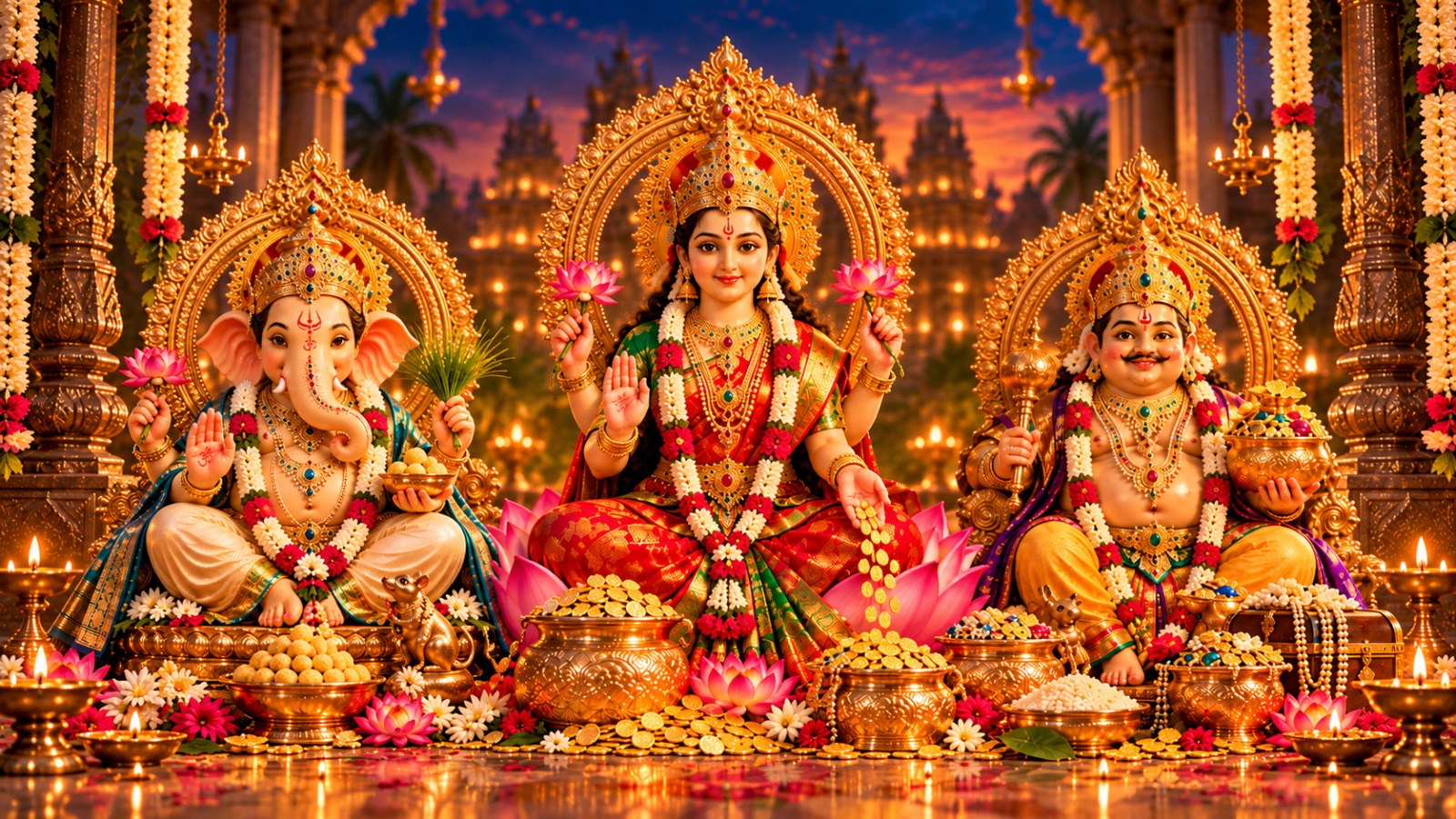
Celebrate Deepawali on Sunday 8 November 2026 with Mahaganapati Abhista Puja and Lakshmi Kubera Homa, performed by experienced Vedic Purohits at Shri Adinarayana Perumal Temple, Coimbatore. You can take part from your home, in any city or country. Pray to Bhagwan Ganesha to remove obstacles, and to Devi Lakshmi and Bhagwan Kubera for steady income, wealth and a peaceful home. Your Sankalpa is taken in your name and gotra, so the puja is offered for you and your family.
- Remove Obstacles: Mahaganapati Abhista Puja prays for a clear path in work, money and family matters.
- Invite Wealth and Stability: Lakshmi Kubera Homa prays for dhan, dhanya and wise handling of wealth.
- Fresh Start for the New Year: Begin the new financial year with prayers for peace and progress.
- Clean and Positive Home: Sacred mantras and agni invite a calm atmosphere in the household.
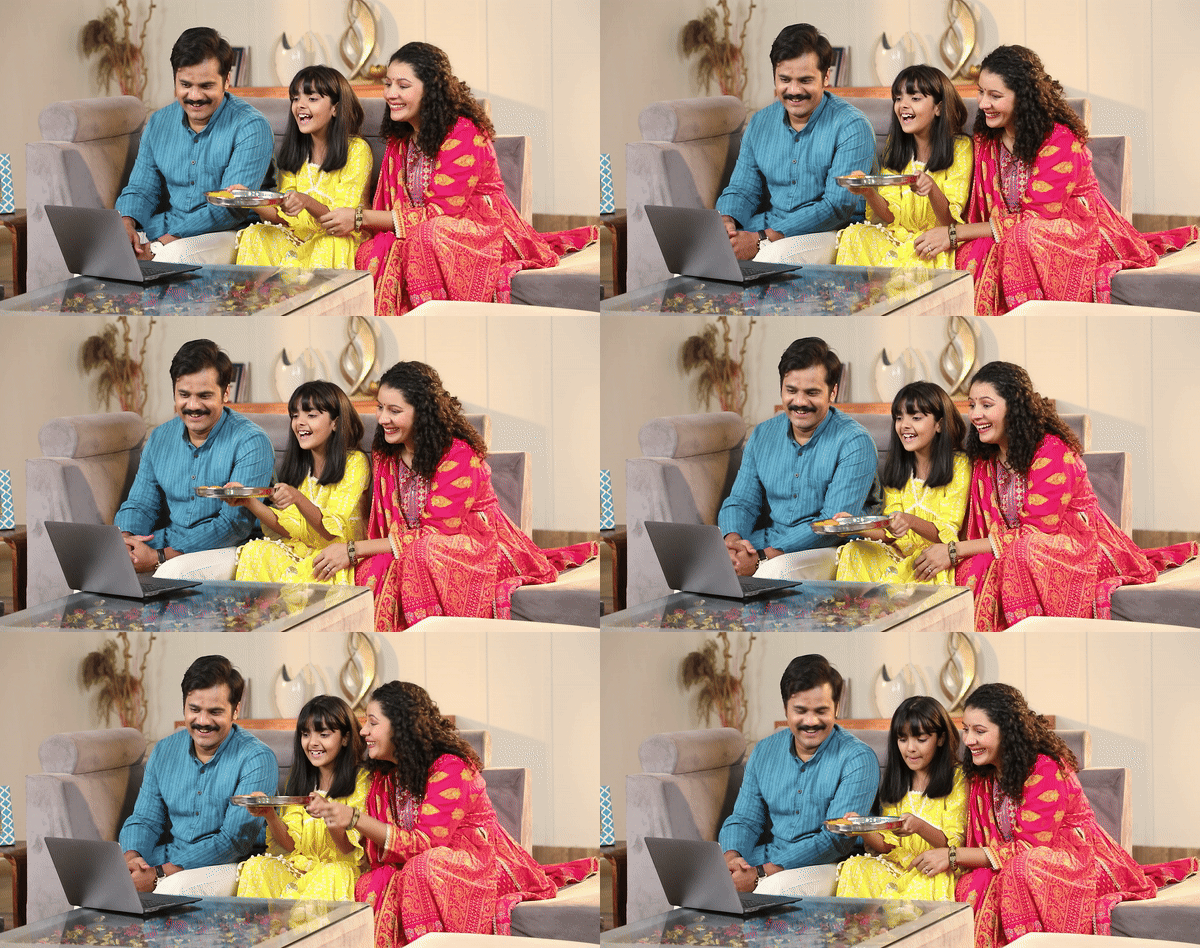
- Join Online: Watch live or see the recording from anywhere.

Vedic Significance

Unlock Wealth
Lakshmi Kubera Homam eliminates financial struggles and opens the doors to wealth, success, and abundance. Seek divine blessings to remove obstacles and pave the way for financial stability.

Remover of Obstacles
In Vedic texts, Ganesha is revered as Vighneshvara, the remover of all obstacles. Performing the homam clears barriers in both material and spiritual pursuits.

Blessings for Prosperity
Invoke the combined power of Mata Lakshmi, the god of wealth, and Shri Kubera, the custodian of prosperity, to attract material fortune and protect your financial well-being.
Clear Debts, Grow Career
This powerful homam helps clear debts and energizes your efforts towards career growth and financial freedom, ensuring long-term stability and prosperity.
Sevas we offer for Diwali Vishesh Puja & Homa
Divine Story, Benefits, and Sacred Sevas of this Auspicious Puja
Why Do We Celebrate Deepawali?
Deepawali, also called Diwali, is the Festival of Lights. It stands for the victory of light over darkness, knowledge over ignorance and dharma over adharma. Different regions remember different stories, and each one is dear to devotees.
- Return of Bhagwan Shri Rama to Ayodhya: The Ramayana of Valmiki tells how Shri Rama came back to Ayodhya with Devi Sita and Lakshmana after fourteen years of exile and the defeat of Ravana. The people welcomed them with rows of oil lamps. This is the main story behind Deepawali in North India.
- Appearance of Devi Lakshmi: The Puranas tell of Samudra Manthan, the churning of the cosmic ocean, when Devi Lakshmi arose holding a lotus. In many traditions she is worshipped on the new moon night of Deepawali to welcome wealth and good fortune into the home.
- Shri Krishna and Narakasura: In South India, Deepawali is closely linked to Bhagwan Shri Krishna ending the tyranny of Narakasura, as told in the Bhagavata Purana. It marks freedom from fear and suffering.
- King Bali and Bhagwan Vamana: In Maharashtra, Karnataka and nearby regions, people remember the generous King Bali, who is allowed to visit his people once a year by the blessing of Bhagwan Vishnu in the Vamana avatar.
Ashwayuja Amavasya or Kartik Amavasya?
The same Deepawali Amavasya has two names. In the Amanta calendar followed in Karnataka, Maharashtra, Tamil Nadu and the South, it is Ashwayuja Krishna Paksha Amavasya. In the Purnimanta calendar of North India, it is Kartik Amavasya. The date is the same, Sunday 8 November 2026.
Why Deepawali Matters
Deepawali is more than a celebration. It is a time to pause, say thanks and start again with a clear mind.
- Cleaning the Mind and Home: Families clean the house, light lamps and chant mantras. Tradition holds that this lifts heaviness and invites a calm, bright atmosphere.
- Gratitude and Prosperity: Prayers to Bhagwan Ganesha, Devi Lakshmi and Bhagwan Kubera ask for abundance together with clarity and strength.
- New Beginnings: Many business families open new account books on Deepawali and ask for guidance in the year ahead.
SEVAS PERFORMED ON DEEPAWALI
1. Mahaganapati Abhista Puja
This puja invokes Mahaganapati, the great form of Bhagwan Ganesha. The word Abhista means a heartfelt wish, so the puja is offered for the fulfilment of sincere and dharmic wishes. Each part has its own meaning.
- Panchamrut Abhisheka Seva: The deity is bathed with five sacred things: milk, curd, ghee, honey and sugar. It stands for purity of body, mind and heart, and is done with prayers for health and a calm mind.
- Pushpa and Vastra Alankara Seva: The deity is decorated with fresh flowers and fine cloth. It is an offering of love and respect, and it fills the sacred space with a joyful and auspicious feeling.
- Durva and Pushpa Archana Seva: Durva grass and flowers are offered while the names of Bhagwan Ganesha are chanted. Durva is especially dear to Bhagwan Ganesha. This seva is done for removal of obstacles, a clear mind and success in new work.
- Panch Phal and Coconut Naivedya Seva: Five kinds of fruit and a coconut are offered as naivedya. The coconut stands for letting go of ego, and the fruits remind us that every action gives its own result. It is offered with thanks and with prayers for fruitful efforts.
- Mahamangala Arati Seva: The sacred lamp is waved before the deity to close the puja. It is done for protection, light and positive energy in your life.
Why Worship Ganesha on Deepawali?
Bhagwan Ganesha is worshipped first before any auspicious work. By starting Deepawali with Mahaganapati Abhista Puja, the Sevakartha prays for a smooth path ahead in wealth, health, work and relationships.
2. Lakshmi Kubera Homa
This is a sacred fire ritual for Devi Lakshmi, who stands for wealth, beauty and good fortune, and Bhagwan Kubera, the keeper of treasures. In the Vedic tradition, Kubera is remembered in the Taittiriya Aranyaka, and Devi Lakshmi is praised in the Shri Suktam. Their names are chanted together in this homa with offerings into the sacred fire.
What They Represent
Devi Lakshmi stands for the flow of abundance, in both material and spiritual life. Bhagwan Kubera stands for the safe keeping and wise use of wealth. When both are prayed to together, the prayer is not only for earning, but also for saving, sharing and using wealth well.
Benefits of Lakshmi Kubera Homa on Deepawali
- Financial Stability: The homa is offered with prayers for steady income and a stable money flow.
- Relief from Money Worries: It is especially chosen by families who face financial stress or are working to clear debts.
- Wealth in Every Form: Prosperity here means more than money. It includes good health, healthy relationships, new opportunities and a clear mind.
- Business and Career Growth: Traders, business owners and working professionals offer this homa when starting new work or planning to grow.
- A Positive Home: The homa is believed to purify the surroundings and bring peace to the household and the Vastu of the home.
Why on Deepawali Amavasya?
Amavasya, the new moon, is a time of inner stillness. In the Vedic tradition, fire carries the prayers of the Sevakartha to the devatas, so a homa offered on this night is considered especially meaningful.
Combined Significance of Both Sevas
Doing both sevas on Deepawali makes the prayer complete.
- Bhagwan Ganesha clears the path and gives clarity.
- Devi Lakshmi blesses with abundance, peace and good fortune.
- Bhagwan Kubera protects wealth and guides its right use.
Together, they help the Sevakartha begin the new year with a clear mind, steady efforts and a thankful heart.
Can I Still Do Lakshmi Puja at Home in the Evening?
Yes. Many families do Lakshmi Puja at home during the evening of Amavasya. This seva is offered for you at the temple by Vedic Purohits, and it fits well alongside your own prayers at home.
Why attend puja online with us?
In the spiritual realm, physical boundaries hold no power, ensuring a connection between you and the divine.

Live Ritual Viewing
Experience the spiritual essence from the comfort of your home by tuning into live streams of the rituals performed by experienced priests.

Recorded Ceremony Video
If you miss the live event, a recorded video will be provided, allowing you to watch the sacred rituals at your convenience.

Free Prasad Delivery
Receive blessed prasad delivered directly to your home, ensuring you remain connected to the divine blessings.

Convenience
Participate in the rituals remotely without the need to visit the temple.

Spiritual Connection
Stay spiritually connected through live and recorded rituals, with blessings brought to you through prasad delivery.
How to book Diwali Vishesh Puja & Homa puja
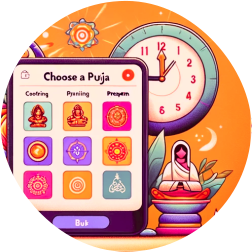
1
Choose your seva
Select one or more main rituals as per your spiritual need.
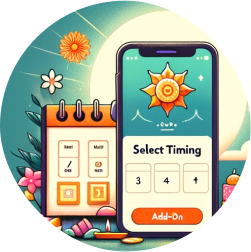
2
Choose offerings
Add optional offerings to deepen your spiritual experience.
3
Complete your booking
Confirm securely so all selected rituals and offerings are included.
Click Here To Book Puja
Reserve your Diwali Vishesh Seva today and let experienced Vedic Purohits perform Mahaganapati Abhista Puja and Lakshmi Kubera Homa on your behalf, with prayers for wealth, health and happiness. Slots are limited, so book early and welcome the new year with a thankful heart.
FREQUENTLY ASKED QUESTIONS
Q. When is Diwali Lakshmi Puja in 2026?
Deepawali falls on Sunday 8 November 2026, on Ashwayuja Krishna Paksha Amavasya in the Amanta calendar. The Purnimanta calendar calls it Kartik Amavasya.
Q. Why are Ganesha, Lakshmi and Kubera worshipped together on Diwali?
Bhagwan Ganesha removes obstacles, Devi Lakshmi gives abundance and Bhagwan Kubera guides the safe keeping and wise use of wealth. Together they cover the start, the gain and the care of prosperity.
Q. What is Lakshmi Kubera Homa?
It is a Vedic fire ritual in which offerings are made into the sacred fire with mantras for Devi Lakshmi and Bhagwan Kubera. It is done with prayers for wealth, financial stability and prosperity.
Q. What does Abhista mean in Mahaganapati Abhista Puja?
Abhista means a heartfelt wish. The puja is offered to Mahaganapati for the fulfilment of sincere, dharmic wishes and for removal of obstacles.
Q. Can I join this Diwali puja online?
Yes. You can watch the puja live from home, or watch the recording later. You will also get prasad at your home.
Q. Will the Sankalpa be taken in my name?
Yes. The Purohits take the Sankalpa in the name and gotra of the Sevakartha, so the puja is offered for you and your family.
Q. Can I do Lakshmi Puja at home as well?
Yes. This seva does not replace your home puja. Many families do both, the temple seva in the morning and their own Lakshmi Puja in the evening.
Q. Can NRI families book this puja?
Yes. NRI families can book from any country, join live in their own time zone or watch the recording.
Q. What if I miss the live puja?
A recording of the full ceremony is shared with you, so you can watch it at a time that suits you.
Please note: The temple mentioned above may change based on certain on-ground dynamics. However, please be assured that the puja will definitely be conducted in an appropriate temple without any compromise.
Begin Your Online Spiritual Journey with Us and feel the peace of the puja, wherever you are.
Upcoming dates for Same Puja
19 November 2027
12 November 2028
14 November 2029